.png)
Everyday Money Lessons: Teaching Kids Financial Literacy

Every parent wants their child to grow up equipped to handle life's challenges, and money management is one of the trickiest skills to pass on. The encouraging part is that you don't need a formal curriculum to teach it. The ordinary moments of daily life (a trip to the store, a chore chart, a family outing) are full of natural openings to build a child's financial instincts. Here's how to turn the everyday into a classroom.
The Grocery Store: A Real-World Budgeting Lesson
A grocery run is one of the easiest ways to introduce budgeting concepts. Before you go, sit down together and build the shopping list, letting your child weigh in on what makes the cut. At the store, get them comparing prices: name-brand versus store-brand, regular price versus sale price. This is also the perfect setting to talk through needs versus wants, sorting items into "must-haves" (medicine, toiletries) and "nice-to-haves" (snacks, treats). Letting them choose a few items themselves, within the budget you've set, turns the whole trip into hands-on practice for the decision-making skills they'll lean on for life.
Chores: Connecting Effort to Earnings
An allowance tied to household chores is a simple but powerful way to show kids that work has value. Try building a task chart that assigns a dollar amount to each chore, so the connection between effort and pay is crystal clear. From there, help them think through what to do with what they earn (saving some, spending some) to start building real financial responsibility early.

Family Outings: Practice in Prioritizing
Hand your kids a piece of the planning next time you're deciding on a family activity. Let them help choose what to do and how much the family should spend on it, weighing different options against cost and the household budget. Once you've landed on a number, hold the line together. This kind of practice teaches discipline and shows them firsthand that a great time doesn't require a blank check.
Savings Goals: Watching Progress Pay Off
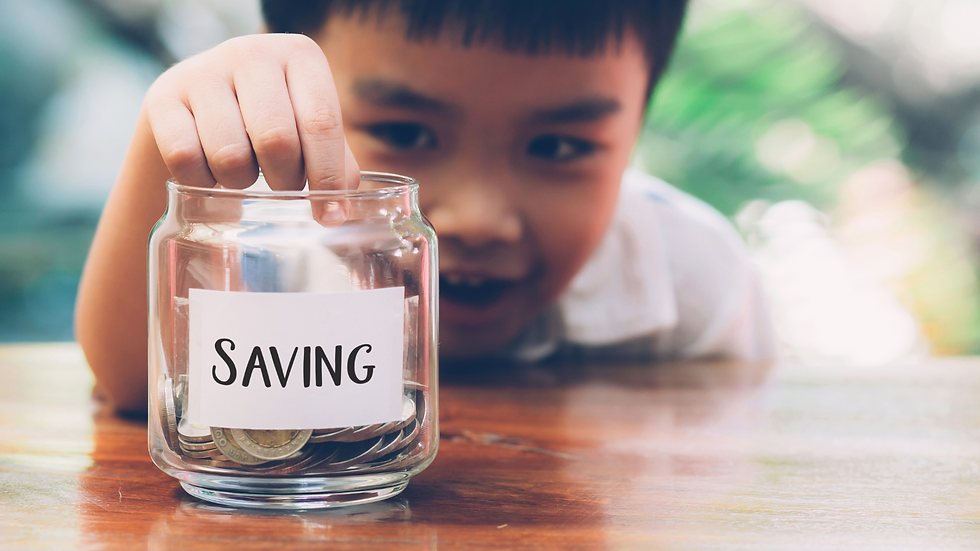
Whether it's an actual bank account or a jar on the dresser, give your child a place to save toward something they want. Help them set a concrete goal and a realistic timeline for getting there. Watching the total climb week by week builds confidence, and hitting the goal reinforces two of the most valuable financial habits there are: patience and follow-through.
The Takeaway
You don't need a special occasion to teach financial literacy — it's already built into the rhythm of daily life. Grocery trips, chore charts, outing budgets, and savings goals are all quiet opportunities to shape how your child thinks about money. Start early, and you're giving them tools that will serve them for decades.
For more resources on financial literacy for all ages, visit FitMoney and explore our programs for K-12 students.
For Grades K-6, check out the $uperSquad platform, which offers interactive videos, modules, and games to teach healthy financial habits.
For Grades 7-12, the Financially Fit Certificate helps students develop important skills, from budgeting and saving to understanding loans and interest, with a certification upon completion.


The recurring symptom here is a campaign that converts daily but refuses to scale — cloning fails, budget increases fail, volume stays flat. Responses range from toggling old campaigns on and off, to a week stuck in low-ticket Eastern European COD, to squeezing more from a year-old post. B2B inquiry timing, quota setting, and pixel passback remain open questions. The plateau discussion threads are worth a look if you're facing the same wall.
The grocery store section stands out because it frames budgeting as a series of small choices rather than one big lecture. I wonder, though, how you handle the moment a child picks something outside the agreed budget after you've already said no. Holding that line calmly seems like the real lesson, maybe more than the price comparison itself. Do you think letting them occasionally overspend teaches more than preventing it?
Useful reference: https://animebreaker.org/
These everyday money lessons are a great starting point. I let my kids play Summer Rider between chores to keep the budgeting talk fun and hands-on.
These money lessons are a smart way to get kids thinking about saving early. We pair short practice sessions with a small reward, and when they earn a screen-time break they love to play 2v2 io online together. Building those habits early really pays off.
Great tips for making money lessons feel natural at home. We started giving our kids small savings goals and it has definitely helped. For a fun screen-time break between lessons, they also love to play orbit kick. Thanks for sharing this!